

I’ve got a confession. I’ve never really been a festival person.
I’ve been to plenty of gigs over the years, more pubs and village halls than muddy fields, and I’ve spent far too much money on T-shirts that seemed like a good idea at the time. But the idea of a weekend at Reading, Leeds or even Glastonbury has never particularly appealed.
For many people, they’re bucket-list events, cultural institutions, a rite of passage. To me, they’ve often felt like badges more than experiences. They’re just not for me.
This year, however, Katie and I are heading to WOMAD. Less a race to the biggest headline act, more an opportunity to discover something unexpected.
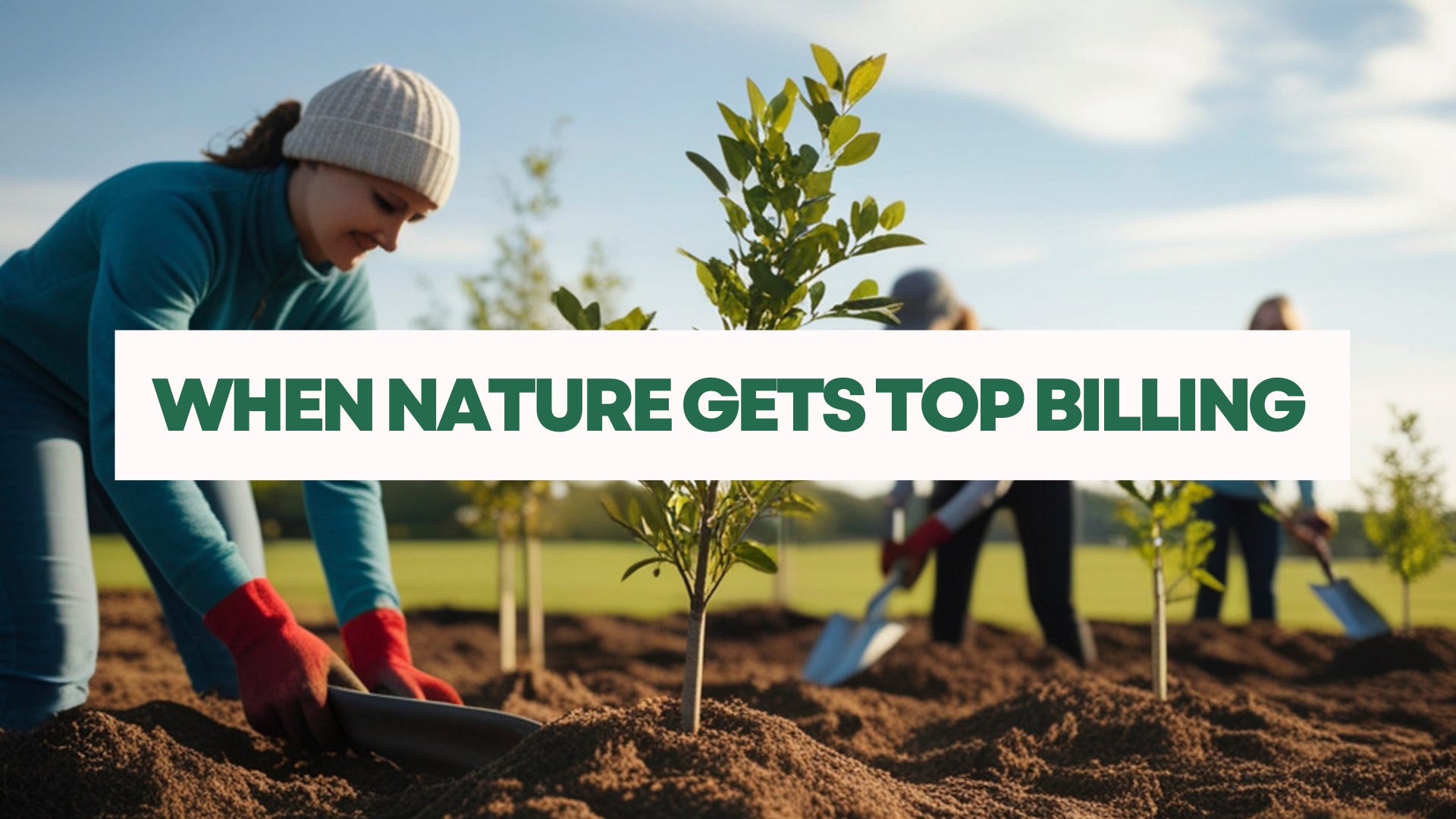
Which is why a story I read this week about a festival on the Isle of Wight caught my attention. The organisers have put nature itself at the centre of the programme rather than celebrity performers. The island is the attraction, not as a backdrop or a venue, but as the star.
It sounds simple, but it’s a surprisingly radical idea.
For years we’ve talked about sustainability as though it sits alongside our lives rather than underneath them. We build businesses around growth, technology around convenience, events around entertainment, and then we ask how we can make them a little greener. The Isle of Wight festival flips that around. What if nature isn’t the thing we work around? What if it’s the thing we build around?
That question reaches well beyond a festival programme. Environmental impact tends to get treated as a constraint, a cost, something that gets in the way of progress. But the organisations that will thrive in the coming decades may well be those that start with the planet and design from there, not because regulation demands it, but because it creates better products, stronger communities and more resilient organisations. Every digital decision eventually becomes a real-world one. Progress and responsibility aren’t opposing forces. They’ve always been drawing from the same account.
What I particularly like about this initiative is that it avoids the trap of guilt. Nobody is being lectured or shamed. People are simply being invited to reconnect with the place they live. The most effective environmental thinking rarely starts by telling us what we’re doing wrong. It starts by reminding us what we value: a beach, a woodland walk, a favourite stretch of coastline. The things worth protecting are usually the things we already love.
In a world obsessed with finding the next headline act, there’s something quietly refreshing about an event that suggests the biggest attraction was here all along.
Nature doesn’t need a support act. It just needs us to pay attention.
People. Planet. Progress.
https://www.positive.news/environment/the-island-festival-putting-nature-before-acts/