

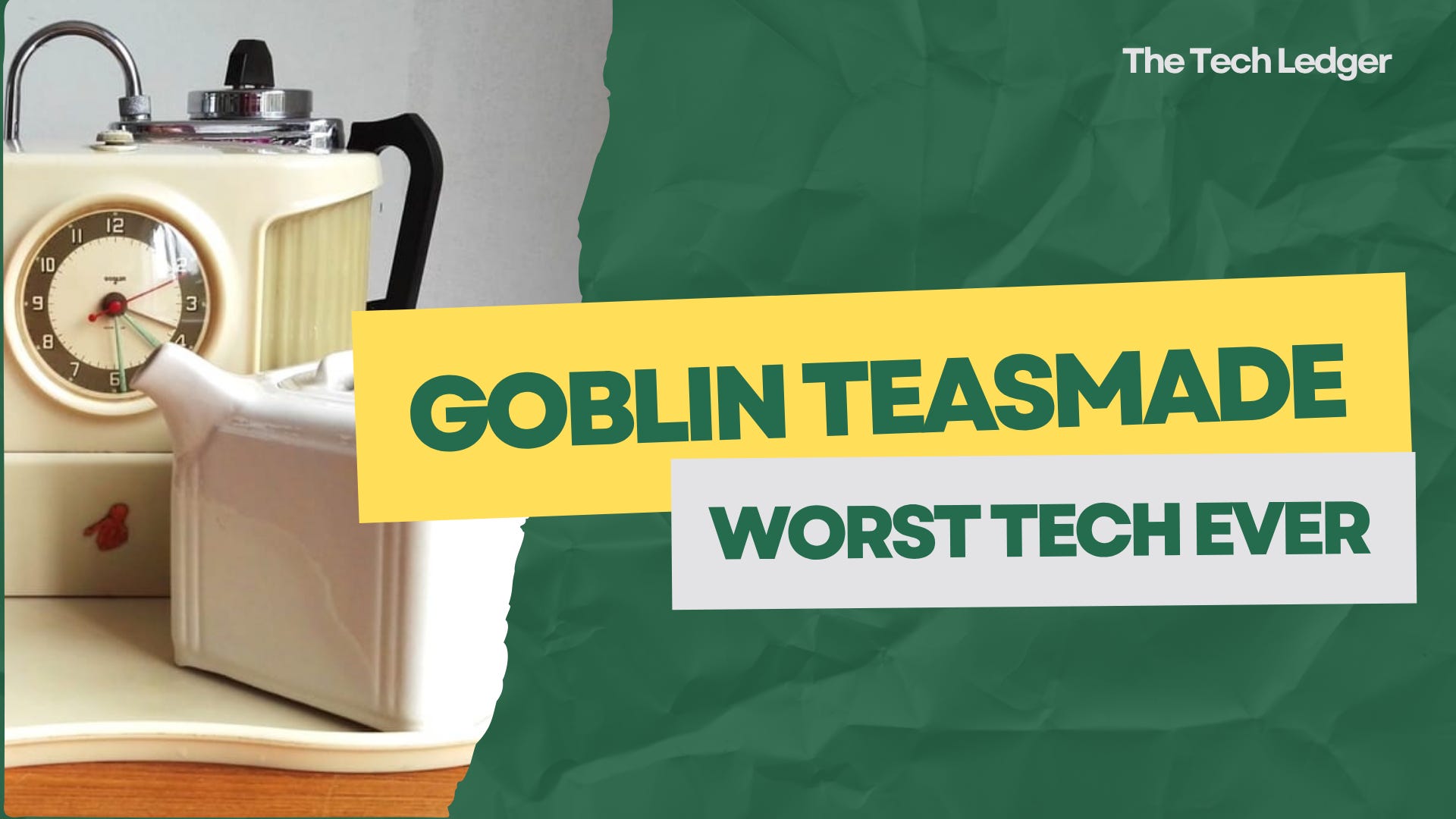
There are two kinds of morning people. The ones who leap out of bed like a Labrador spotting bacon. And the rest of us, who would happily trade our passwords for a cup of tea that appears by magic. Enter the Goblin Teasmade, a bedside contraption that promised fresh tea the second you opened your eyes. In practice, it mostly delivered warm chaos and a sticky nightstand.
“Ultimately it was easier to get off one’s arse in the morning and make a drink rather than fiddle about the night before including loading the milk.”
What it was trying to be
A Teasmade is a bedside tea robot with a clock. You set the alarm, it heats the water, sends it into a waiting teapot, and theoretically wakes you with the gentle sound of British optimism. These machines were a staple in the UK for decades and hit peak popularity in the 60s and 70s. Think of it as the spiritual ancestor of “smart home” touting convenience without the app-induced despair.
The origin story, with extra steam
Early tea makers existed in the Victorian era, but the Goblin era kicked off once electricity took over. Engineer W. H. Brenner Thornton’s 1932 design was picked up and marketed as the first Goblin Teasmade, produced by the British Vacuum Cleaner and Engineering Company. The idea was brilliant on paper: bedside kettle, timed heating, water pushed into a pot, and the power cut once brewing finished. A tiny domestic orchestra, powered by steam and hope.
The ritual nobody asked for
The marketing fantasy: you drift off, the clock does its thing, you wake to a perfect brew and soft lamplight. The reality: a nightly preflight checklist that would make Heathrow blush.
Fill the kettle to the line, not a millimetre more, unless you enjoy tea-flavoured duvet.
Dose tea leaves so they don’t sit stewing for eight hours and turn into tannin soup.
Position the spout tube like a sniper.
Set the alarm, and then set a second alarm in case the first one only makes tea and not noise.
Load the milk. Which means leaving dairy on your bedside table until sunrise. Because nothing says “good morning” like room temperature dairy and a gamble.
By the time you’ve faffed with that, you could have gone to the kitchen, boiled a kettle, and had a victory biscuit.
The engineering was clever. The user experience was chaos.
I’ll give the Goblin this: the mechanism was neat. When the water boiled, steam pressure forced it into the teapot, and a spring-loaded setup cut power once the transfer finished. There were models with trays, lamps, and plastic that looked like it wanted to be art deco when it grew up. But the product asked you to baby a system that reciprocated with spills, clogs, and alarms that sometimes chose vibes over volume. The UX wasn’t “tap to brew.” It was “become your own butler and also your own electrician.”
Britain loved it anyway
For a while, the Teasmade was everywhere. Then the country collectively remembered how kitchens work. The Goblin brand itself changed hands, and the Teasmade name ended up with Swan. Retro lovers still buy new versions, proudly made far from Leatherhead, because nostalgia is undefeated and bedside tea remains an unbeatable pitch.
Why it flopped in the real world
Tea is unforgiving. Leave leaves sitting for hours and you get the taste of a school corridor after double maths.
Milk is not a nightshift employee.
Bedside electronics plus half-asleep humans is a risky combo. One wrong elbow and you’re marinating a paperback in PG Tips.
The payoff curve is upside down. All the effort is at night, when you’re knackered. The “reward” shows up in the morning, when you could just walk 12 steps to the kettle.
Verdict
The Goblin Teasmade is a perfect museum piece: ingenious, charming, and slightly cursed. It promised effortless mornings, then handed you a homework assignment before bed. The Britishness of it all is flawless. We built a contraption to save a 90-second walk to the kitchen, then decided the contraption was too much bother and went to the kitchen anyway.
If you own one now, you’re not wrong. You’re just performing a beautiful ritual for an audience of one. For everyone else, the original review still stands: it’s easier to get up and make the tea.